Showing posts with label Diet. Show all posts

Friday, May 10, 2013

200 Delicious Gluten-Free, Dairy-Free, Soy-Free and Egg-Free Recipes!


Warning, this is NOT ANOTHER GLUTEN FREE BAKING BOOK! It's a unique, gluten-free cookbook with everyday recipes that mix simple, home-style cooking with great taste and real, whole food ingredients. Every recipe is not only gluten-free, but also egg free, dairy free, soy free, white rice flour free, and bean flour free. Feel free to cheer!

In The Healthy Gluten Free Life, Tammy Credicott shows you just how easy and budget-friendly living a healthy, gluten-free life can be. By giving detailed instructions and a host of tips on everything from choosing quality ingredients to techniques on make-ahead meals to save you time down the road, Tammy will inspire you to step back into the kitchen and enjoy cooking again.

The Healthy Gluten Free Life is filled with over 200 mouth watering recipes for every meal of the day, including breakfasts, snacks, dinners, side dishes, desserts, and more. In addition, each delicious recipe is accompanied by captivating color photographs to help entice you to the final tasty dish. Beyond the recipes, The Healthy Gluten Free Life guides you on how to:

    * Choose flours that work best for you & the recipe you're working with

    * Replace dairy & eggs in your recipes easily and without fail

    * Differentiate between the multiple gluten-free flours and starches on the market, giving you the confidence to modify any gluten-free recipe you choose

    * Create a week's worth of school lunches that your kids will love and not be embarrassed by

Get the taste & texture you remember from your pre-gluten free days with the added health benefits of whole grain flours, limited starches, lower sugar, and real, whole foods! The Healthy Gluten-Free Life helps bring your family back to the table, food allergies and all! Get all Recipes in here!

Six Weeks to Sleeveless and Sexy


You have the right to bare arms! JJ Virgin, nutrition and fitness coach to the stars, and author of THE VIRGIN DIET, has created a simple, no-fail program that will trim, tone, and transform your arms into your hottest accessory. You don’t even need to go to the gym!

JJ’s fun, tell-it-like-it-is method will teach you a no-fuss approach to eating that will increase your energy, help you build muscle, and get you off diets for good. She provides simple strategies for avoiding the common mistakes that can derail your progress, including how to reduce stress and how to change poor sleeping habits. JJ reveals the keys to building lean arms, and why your muscles will never get bigger from lifting weights --only smaller and more defined. And last, there are great tips for showing off your hot new assets—flattering outfits, how to pose for pictures, plus more insider secrets! Get that secret here!

How to Lose Weight and Beat Diabetes (Even If You Don't Have It)


The day that actress, comedian, and cohost of The View Sherri Shepherd was diagnosed with the Big D—type 2 diabetes—she didn't see it coming. But she should have. Sherri had spent years battling excess weight, ignoring the warning that she was prediabetic, avoiding doctors, and denying some very clear signs that a diabetes diagnosis was imminent. Even watching the disease take her mother's life at the age of forty-one didn't sound the alarm for Sherri. But when D Day came, she had a diagnosis in hand and a child of her own. Sherri knew she needed to take a cold, hard look at the way she was living and make a choice: she could completely overhaul her life and reevaluate her relationship to food and exercise, or continue on a path that could leave her son growing up without his mother. The choice was easy. Putting the choice into action was a little more difficult.

If you're one of the 100 million Americans diagnosed with prediabetes or diabetes each year, or one of the 130 million people who are overweight and at risk but don't know where to start, Plan D can provide life- changing results. Here, Sherri Shepherd breaks down the basics of the science of diabetes, explains how reversing your insulin resistance (the cause of type 2 diabetes) is the key, and offers support, humor, and the action plan you need to get results. With this medically supported plan, Sherri was able to lose forty pounds and keep it off. Through three key simple but effective strategies centered on diet, exercise, and taking control of the emotions that lead to poor food choices, Sherri offers readers a way to lose weight and control diabetes without feeling deprived, or chained to a strict, lifeless way of living. Plan D is flexible, sensible, and straight-forward, and it works wherever you are on the spectrum—whether you're struggling to lose weight, are in the danger zone of prediabetes and looking to turn things around, or have already been diagnosed with diabetes.

Plan D will give you the facts you need to start changing your habits and your health now. With the help of her doctor, a leading endocrinologist, and a support group of family and close friends, Sherri changed her life. With Plan D, you can too.Click Here To Lose Weight and Beat Diabetes

Build More Muscle. Burn More Fat. Have More Sex


Every man has the potential for a great body, insane sex, and an unreal life. (Seriously)


    Want to lose body fat? That's easy—you can drop 20 pounds in 6 weeks.
    Want bigger muscles? Done. A 50-pound increase to your bench press, coming right up.
    Want to be smarter? Not a problem—the strategies in this book have been proven to increase brain function.
    Want an awesome sex life? Yeah, there's a fix for that, too—increased libido and improved performance are just weeks away.

You were born to achieve greatness, to be a man. But somewhere along the way you started to live an ordinary life. Fitness experts John Romaniello and Adam Bornstein developed a system that targets hormone optimization; their approach is specifically designed to transform you into the Alpha you were always meant to be. Strong. Confident. Powerful.

Based on cutting-edge, scientifically validated methods known only to the fitness elite, Man 2.0 provides a step-by-step road map to regaining your health, looking your best, supercharging your sex life—even reversing the aging process. The systems in this book have changed the lives of countless men who've worked with Romaniello and Bornstein.

In this book, you will discover:

  •     Answers to all the questions you have about training and nutrition—and even ones you haven't thought of yet.
  •     An easy-to-understand plan designed to work with your body, not against it, to burn fat, and build dense, rock-hard muscle.
  •     A comprehensive nutrition program, fully customized for Alphas, complete with meal plans.
Want to lose body fat? Click Here

The Ultimate Guide to Resolving Pain, Preventing Injury, and Optimizing Athletic Performance


LEARN HOW TO HACK HUMAN MOVEMENT
Join the movement that has reached millions of athletes and coaches; learn how to perform basic maintenance on your body, unlock your human potential, live pain free…and become a Supple Leopard.

Improve your athletic performance, extend your athletic career, treat body stiffness and achy joints, and rehabilitate injuries—all without having to seek out a coach, doctor, chiropractor, physical therapist, or masseur. In Becoming a Supple Leopard, Kelly Starrett—founder of MobilityWod.com—shares his revolutionary approach to mobility and maintenance of the human body and teaches you how to hack your own human movement, allowing you to live a healthy, happier, more fulfilling life.

Performance is what drives the human animal, but the human animal can be brought to an abrupt halt by dysfunctional movement patterns. Oftentimes, the factors that impede performance are invisible to not only the untrained eye, but also the majority of athletes and coaches. Becoming a Supple Leopard, makes the invisible visible. In this one of a kind training manual, Starrett maps out a detailed system comprised of more than two hundred techniques and illuminates common movement errors that cause injury and rob you of speed, power, endurance, and strength. Whether you are a professional athlete, a weekend warrior, or simply someone wanting to live healthy and free from restrictions, Becoming a Supple Leopard, will teach you how to maintain your body and harness your genetic potential.

Learn How to:

  •     prevent and rehabilitate common athletic injuries
  •     overhaul your movement habits
  •     quickly identify, diagnose, and fix inefficient movement patterns
  •     problem solve for pain and dysfunction in austere environments with little equipment
  •     fix poor mechanics that rob power, bleed force, and dump torque
  •     unlock reservoirs of athletic capacity you didn't know you had
  •     identify and fix poor movement patterns in children
  •     reverse the aging process
  •     develop strategies that restore function to your joints and tissues
  •     accelerate recovery after training sessions and competition
  •     create personalized mobility prescriptions to improve movement efficiency
  •     improve your quality of life through regained work capacity.
  •     run faster, jump higher, and throw farther
Get all about The Ultimate Guide to Resolving Pain, Preventing Injury, and Optimizing Athletic Performance : Click Here

Delicious, Easy Recipes That Will Make You Look Good and Feel Great


Gwyneth Paltrow, Academy-Award winning actress and bestselling cookbook author, returns with recipes for the foods she eats when she wants to lose weight, look good, and feel more energetic.

Last spring, after a particularly grueling schedule and lapse of overindulgence, Gwyneth Paltrow was feeling fatigued and faint. A visit to her doctor revealed that she was anemic, vitamin D deficient, and that her stress levels were sky high. He prescribed an elimination diet to clear out her system and help her body heal. But this meant no coffee, no alcohol, no dairy, no eggs, no sugar, no shellfish, no deep-water fish, no wheat, no meat, no soy, nothing processed at all!

An avid foodie, Paltrow was concerned that so many restrictions would make mealtime boring, so, together with Julia Turshen, she compiled a collection of 185 delicious, easy recipes that followed her doctor's guidelines. And it worked! After changing her diet, Paltrow healed totally, felt more energetic and looked great. Now, in IT'S ALL GOOD, she shares the go-to dishes that have become the baseline for the restorative diet she turns to whenever she feels she needs it. Recipes include: Huevos Rancheros, Hummus Tartine with Scallion-Mint Pesto, Salmon Burgers with Pickled Ginger, even Power Brownies, Banana "Ice Cream," and more! Click Here for all about tips.

Wednesday, May 1, 2013

The Revolutionary Diet: 6 Weeks 4 Inches 2 Sizes


Dr. Ian K. Smith's Shred is the answer to every dieter's biggest dilemmas: how to lose that last twenty pounds? How to push through that frustrating plateau? What to do when nothing else is working? Here, Smith has created a weight loss program that uses all he knows about strategic dieting in one plan--like putting all the best players on the field at once to create a can't lose combination. Shred combines a low GI diet, meal spacing, and meal replacements. Those who follow Shred will constantly be eating (every three and a half hours!), four meals or meal replacements (soups, smoothies, shakes) and 3 snacks a day, over a six week program. Shred also introduces Dr. Ian's concept of "Diet Confusion". Diet Confusion, like muscle confusion, tricks the body and revs up its performance. In the same way you need to vary your workout to see results, switch up your food intake to boost your metabolism.

No matter how often or how unsuccessfully you've dieted before, Shred: The Revolutionary Diet will change your life. Shred has taken the internet by storm, and thousands have already joined Dr. Ian's Shredder Nation, losing an average of four inches, two sizes or twenty pounds in six weeks. Utilizing the detox from Fat Smash Diet, the intense cleanse of Extreme Fat Smash, and varying food of The 4 Day Diet, Shred is a six week plan to a new way of life!

You can get all about the Revolutionary Diet : Click Here

Power Your Metabolism, Blast Fat, and Shed Pounds in Just 15 Days


We’ve gone way overboard trying to beat the bulge. We’ve tried every diet out there—low-carb, low-fat, all-grapefruit—and spent hours toiling on treadmills and machines. The truth is, complicated diets and extreme cleanses promise nothing but short-term results, and overdoing it at the gym doesn’t always help you lose weight (in fact, over-the-top workouts actually supercharge your appetite, often causing you to eat more than you should). It’s time to hit the "reset button" and start over with a new perspective on weight loss.

Now, expert trainer and New York Times bestselling author Harley Pasternak offers the ultimate plan to reboot your system and set you on the right path to a thinner, healthier, happier life. The Body Reset Diet is so simple yet so effective that you’ll immediately lose weight no matter how many times you’ve tried in the past. And you won’t boomerang back either. You’ll transition smoothly into a sustainable, nutrient-rich plan that keeps your metabolism primed to burn fat all day long—without ever setting foot in a gym!

This three-phase program focuses on the easiest, most effective way to slim down: blending. The 5-day jump start includes delicious, expertly crafted smoothies (White Peach Ginger, Apple Pie, and Piña Colada, to name a few), dips, snacks, and soups—all customizable to your preferences and dietary restrictions—that keep you satisfied while boosting your metabolism. Over the following 10 days, you’ll reintroduce healthy combinations of your favorite foods along with the blended recipes to keep your metabolism humming, so you’ll continue to scorch calories and shed pounds. The plan also explains how the easiest form of exercise—walking—along with light resistance training is all it takes to achieve the celebrity-worthy physique you’ve always wanted. No equipment necessary!

Whether you’re looking to lose significant weight or just those last 5 pounds, The Body Reset Diet offers a proven program to hit the reset button, slim down, and get healthy in just 15 days—and stay that way for good!

Find all about Power Your Metabolism, Blast Fat, and Shed Pounds in Just 15 Days : Click Here

The Simple 3-Week Plan for Supercharged Weight Loss


LOSE UP TO 20 POUNDS IN 21 DAYS!

In his instant #1 New York Times bestseller The Skinny Rules, celebrity trainer and coach of NBC’s The Biggest Loser Bob Harper delivers the ultimate strategy for healthy, long-term weight loss and “thin maintenance.” But what if you have a big event looming—a reunion, wedding, beach vacation, or other special occasion—and need a fast-acting plan to meet your short-term goals?

Jumpstart to Skinny features thirteen short-term Rules (no one gets thin on mere suggestions) that will supercharge your weight loss. Taking any confusion or decision making out of the equation, Harper also provides a day-by-day plan for success, including his body-toning “Jumpstart Moves” and deliciously slimming recipes specially designed for your get-skinny needs.

Jumpstart to Skinny lets you in on the secrets Bob shares with his red-carpet celebrity clients. This is not a marathon diet; it’s a quick sprint to the finish line. And the victory lap comes when you slip into that sexy dress or swimsuit and feel fantastic. Get started today!

THE FOUR-PART JUMPSTART PLAN TO A SKINNIER YOU

• Your Jumpstart Rules: Thirteen must-follow principles to get you ready for your own “big reveal,” including Rule #1, a precise breakdown of the proper protein/carbohydrate/fat proportions for every meal, and Rule #3, which explains why you need to just say no to complex carbs after breakfast during this three-week plan. These are the Rules that Bob Harper and his celebrity clients use to get ready for their big events—and now you’re in on the secrets, too.

• Your Jumpstart Day-by-Day: No decisions, no confusion! Here is the simple, three-week game plan: the food to buy and prepare ahead each week, when and how much to eat each day, and the when and how of your exercise schedule.

• Your Jumpstart Moves: Bob’s unique, twenty-minute, at-home exercise routines. From sit-ups, push-ups, and squats to jumping rope, lateral jumps, and simple chair dips, choose one of the seven “packages” of body-toning moves when your day calls for Bob’s “metabolic conditioning.”

• Jumpstart Recipes: Cleansing or juice fasting? No way! You need to eat to lose weight, so here are twenty-one days of slimmingly delicious recipes—including “Peanut Butter and Jelly” Oatmeal, Sweet Potato Hash, Spaghetti Squash Bolognese, Buffalo Chicken Salad, and Bob’s signature Shrimp Skimpy—formulated with your Jumpstart protein/carb/fat proportions (see Rule #1!) and calorie maximums in mind.

For more Infomation The Simple 3-Week Plan for Supercharged Weight Loss : Click Here


Tuesday, April 30, 2013

Lose the Wheat, Lose the Weight, and Find Your Path Back to Health


A renowned cardiologist explains how eliminating wheat from our diets can prevent fat storage, shrink unsightly bulges, and reverse myriad health problems. 

Every day, over 200 million Americans consume food products made of wheat. As a result, over 100 million of them experience some form of adverse health effect, ranging from minor rashes and high blood sugar to the unattractive stomach bulges that preventive cardiologist William Davis calls “wheat bellies.” According to Davis, that excess fat has nothing to do with gluttony, sloth, or too much butter: It’s due to the whole grain wraps we eat for lunch. 

After witnessing over 2,000 patients regain their health after giving up wheat, Davis reached the disturbing conclusion that wheat is the single largest contributor to the nationwide obesity epidemic—and its elimination is key to dramatic weight loss and optimal health. 

In Wheat Belly, Davis exposes the harmful effects of what is actually a product of genetic tinkering and agribusiness being sold to the American public as “wheat”—and provides readers with a user-friendly, step-by-step plan to navigate a new, wheat-free lifestyle. Informed by cutting-edge science and nutrition, along with case studies from men and women who have experienced life-changing transformations in their health after waving goodbye to wheat, Wheat Belly is an illuminating look at what is truly making Americans sick and an action plan to clear our plates of this seemingly benign ingredient. 

 All About Lose the Wheat, Lose the Weight, and Find Your Path Back to Health : Click Here

Monday, April 29, 2013

Drop 7 Foods, Lose 7 Pounds, Just 7 Days


Leslie was at the end of her rope. She'd been to every doctor in the Los Angeles area, and nobody could help her. As it happens, her stepmother is Suzanne Somers, an expert in health, beauty and fitness. Suzanne knows all the gurus, besides being one herself. But none of them could fix Leslie's problem. Leslie was 40 pounds overweight. It didn't seem to matter whether she ate or not. She had this chronic bloating thing going on—in fact, she got more and more bloated as the day continued, no matter how little she ate.

I loved Leslie on the spot. She's adorable. And I was struck by how much she was already doing the right things—and how little any of them were helping her.

"What's going on, JJ?" Leslie asked me. At this point, she was beyond frustrated. "You've got to help me out, because nobody else has ever been able to."

I felt a lot of sympathy for Leslie, who was working so hard to lose weight—and with so little result. She exercised and was very careful about counting calories and controlling portions. But as I tell all of my clients, your body isn't a savings bank or a calorimeter. It's a chemistry lab. Counting calories and measuring portions just isn't enough. You have to know how your body is responding to the foods you eat. And Leslie's body was telling her that she wasn't eating right.

I suspected that Leslie's problems stemmed from food intolerance. She had been eating a high-FI diet for years, including all the supposedly healthy choices: eggs, tofu, whole-grain bread, whey protein shakes. She lived on diet sodas and cafe lattes with skim milk. Sometimes she'd treat herself to some corn chips and salsa. That made at least 6 of the 7 high-FI foods right there: eggs, soy, gluten, dairy, artificial sweeteners and corn. All she was missing was sugar and peanuts, and when she occasionally ate desserts or processed foods (which are often made with peanut oil), she was consuming those, too.

"Look," I told Leslie, as gently as I could, "you can be doing all the right things—exercise, careful eating, the works—but if you've built up a food intolerance or messed up your digestive tract, even the right things can't help you. Right now, your immune system is on high alert, and it's overreacting to many of the foods you eat. Until we get your immune system to chill out, you won't be able to lose weight."

Food intolerance is one of the most frustrating conditions I know. All of a sudden, you can't lose those extra pounds, even when you are eating and exercising exactly as you always have. Sometimes you might even be eating less and exercising more—and you still gain weight! How unfair is that?

The best way to get Leslie's immune system back on track was to cut out all 7 high-FI foods and increase her intake of low-FI foods. Once her immune system wasn't jumping into hyperalert and flooding her system with inflammatory chemicals, her digestive system would have a chance to heal. I also suggested my special Virgin Diet Shakes as a source of protein. Along with the healing foods and healing supplements I recommend, the Virgin Diet Shakes would help reverse inflammation, reducing all those "protective" chemicals that were causing Leslie's body to gain weight, aging her skin and hair and sapping her energy. In 7 days, I promised Leslie she would lose the bloat and look years younger. The Virgin Diet was the key.

In fact, that's exactly what happened. When I saw Leslie a few weeks later, she was so excited that her words kept tumbling over each other. "I've lost more than 10 pounds already, and I feel so hopeful about the other 30! Look at my skin. It hasn't looked this good in years! My friends keep asking if I was away on vacation. At work, they know I wasn't, so they've started a rumor about me having a new boyfriend. I can't believe how good I feel!"

I was so happy for my client because she had finally stopped accepting the weight gain, exhaustion and premature aging that she had come to believe was her lot in life. Instead, she was losing weight, feeling great and looking 10 years younger. Terrific was now her new normal. It can also be yours.

STOP COUNTING CALORIES

So, what's the first thing I'd like you to do on the Virgin Diet? I hope you're sitting down because my first piece of advice might shock you: stop counting calories.

That's right, I'm suggesting that you stop counting calories because your body is not a savings bank or a calorimeter. It's a chemistry lab. Although the total number of calories counts, it is only part of the story. The source of the calories matters far more. If your calories come from foods that are causing your body trouble, then it almost doesn't matter how much or how little you eat. Even moderate intake of problem foods sets up your body for weight gain. And as we've seen, those problem foods are not just cookies, cake and full-sugar soda. They include artificial sweeteners and diet sodas, low-fat yogurt, eggs, soy and whole grains.

NO MORE MODERATION

Now here's the key to the Virgin Diet: when it comes to weight loss and healthy eating, moderation doesn't work.

Why? Because weight gain among the nonobese is generally gradual, averaging almost a pound a year as the result of only moderate changes in diet and activity. Yes, if you binge for months on potato chips and ice cream, you're going to put on weight quickly. But that's not how most people gain weight. They continue eating their normal diet, with maybe just a tablespoon of butter here or a few extra cookies there. Before they know it, they've gained a pound a year, which adds up to 10 pounds in 10 years and 20 pounds in 20 years. It looks like age itself is the problem, but it's not. It's that pound a year that caused all the trouble.

In other words, the average 30-year-old who consumes a moderate caloric diet while eating the wrong foods will be 10 pounds heavier by age 40 for what may seem like no reason at all. And if at any point along the way that person tries to lose weight—usually by restricting calories—she's going to find it very difficult to lose weight, keep it off or both.

Why? Because, you guessed it, your body is not a bank account or a calorimeter. It is a chemistry lab. Eating the wrong foods affects your body's chemistry. Gaining weight affects your body's chemistry. Stress and lifestyle changes affect your body's chemistry. So, if you want to get that extra weight off, you have to heal your body's chemistry.

FOOD IS INFORMATION

Okay, so here's how I like to think of it: food isn't just calories or fat grams or even a source of energy, food is information. Each bite of food that you put into your mouth sends your body a message—maybe even several messages.

Some of these messages relate to your blood sugar and insulin production. Some of them govern your feelings of hunger and fullness. Others concern your fat burning and metabolism, and still others involve your hair, skin, mood and mental functioning.

This is why I say that not all calories are created equal. You might portion out a cookie, a hamburger and a serving of cauliflower so they all have the same number of calories, but each of those three foods is going to send your body very different messages. And it's the messages we care about, not just the calories.

Actually, it's not just what you eat that gives your body information. It's also how much you eat at one time, how fast you eat, what combinations you eat, how you feel while you are eating and even what you drink with what you eat. Every one of those things is important because each sends your body a message: burn fat or store it; build muscle or lose it; slow the aging process down or speed it up; create steady, sustained energy or crash and burn within the next couple hours. Don't worry if this sounds complicated: I have laid it all out for you. All you have to do is live by the Virgin Diet Plate and follow my rules of meal timing, and you will be golden. The Virgin Diet is designed to send only the right messages to your body—24/7 for 21 days. I'm betting that you'll like the feeling so much that you'll keep sending all the right messages for a long, long time after that.
 
FOOD ALLERGIES: RARE BUT DANGEROUS

Food allergies are actually rather rare, but they get all the bad press because they are responsible for the really dramatic food problems that we hear about, such as the child who takes one bite of a peanut and then has to be rushed to the hospital. Food allergies trigger special antibodies in the bloodstream known as immunoglobulin E, or IgE, the most aggressive defense system our bodies have. Among other chemicals, IgE antibodies release large amounts of histamine, a substance that causes swelling, mucus, congestion and all the other symptoms that you would normally modify with an antihistamine.

It's the swelling reaction that makes food allergies so dangerous. In severe cases, the throat and airways become so swollen that they cut off the air supply, making you unable to breathe.

Even without such deadly responses, however, aggressive IgE antibodies generally produce quick, dramatic reactions, appearing within minutes or even seconds after the offending food is consumed. Other allergic reactions include rashes, hives, itching, eczema, nausea, stomach pain, diarrhea, shortness of breath and chest pain, as well as bloating, nausea, cramping and stomachache. Because much of our immune system is located in the gut, food allergies tend to wreak havoc with digestion.

Now, at this point, you might be thinking, But I don't have any of those symptoms, and I feel fine after I eat. If that's your response, terrific! You probably don't have any food allergies. Most ... 

All about  Drop 7 Foods, Lose 7 Pounds, Just 7 Days : Click Here

2 Steps to Lose the Weight, 2 Steps to Keep It Off Forever


Devised by Dr. Pierre Dukan, a French medical doctor who has spent his career helping people to lose weight, the Dukan Diet rejects counting calories and promises permanent weight loss while allowing adherents to eat as much as they like.

Originally published in 2000, the Dukan Diet swept across France, championed by people who successfully lost weight following its unique four phase regime. The Dukan Diet has helped millions in France, where it has been number one for more than ten years and adopted in twenty countries, including the United Kingdom, Poland, Korea and Brazil. All together, The Dukan Diet has sold more than 3 million copies worldwide.

The Diet: 4 Easy Steps to Permanent Weight Loss

Phase one: Attack
Using Dr. Dukan's True Weight calculator, dieters determine a reasonable and healthy weight loss goal. Then they begin the Dukan Attack phase a two-to-seven-day period during which only unlimited lean protein and a daily Oat bran galette (or pancake) are consumed and dramatic weight loss is achieved.

Phase Two: Cruise
Dieters alternate days of unlimited lean protein with days of protein combined with healthful vegetables until they reach their True Weight.

Phase Three: Consolidation
Dieters stay on this phase for 5 days for every pound lost. At this point the diet allows unlimited protein and vegetables, and other foods (such as cheese and bread) are reintroduced.  Dieters are also allowed two weekly celebration meals to stave off boredom.

Phase Four: Stabilization
This is the maintenance portion of the plan, in which followers are allowed to eat whatever they like without regaining weight--provided that they follow 3 unbreakable rules including eating only unlimited lean protein one set day per week. 

For each phase, The Dukan Diet offers clear simple guidelines for long term success.  The Dukan Diet is the perfect diet for people who want fast weight loss, that can be maintained without counting calories or weighing portions.

Get all Step to lose the wheight : Click Here

The Fast Metabolism Diet: Eat More Food and Lose More Weight


 Haylie Pomroy has helped countless clients lose up to 20 pounds in just 4 weeks –all through the fat-burning power of food. Hailed as “the metabolism whisperer,” Haylie reminds us that food is not the enemy, it’s the rehab needed to rev-up your sluggish, broken-down metabolism and turn your body into a fat-burning furnace.

On this plan you’re going to eat a lot. You’re going to eat three full meals and at least two snacks a day – and you’re still going to lose weight. What you’re not going to do is count a single calorie or fat gram. You’re going not to ban entire food groups. You’re not going to go carb-free or vegan or go cold turkey on the foods you love. Instead, you’re going to rotate what you’re eating throughout each week according to a simple and proven plan carefully designed to induce precise physiological changes that will set your metabolism on fire.

The 17 Day Diet: A Doctor's Plan Designed for Rapid Results


If you need to shed pounds fast and in a safe, effective, and lasting way, this is the book for you! Unlike many diet programs that starve you down to size, Dr. Mike Moreno’s 17 Day Diet relies on proven methods to help you take weight off and keep it off for good—whether you’ve got 10 pounds to lose or 100. His revolutionary program adjusts your body metabolically so that you burn fat day in and day out. The program is structured around four 17 day cycles:
Accelerate—the rapid weight loss portion that helps flush sugar and fat storage from your system

Activate—the metabolic restart portion with alternating low and high calorie days to help shed body fat

Friday, March 15, 2013

7 Ways to Stay at Your Target Weight


So the hard part is done, and you’ve finally hit your target – but have you planned which ways to stay at your target weight? It’s easy to relax after the constraints of a diet, but you risk slipping back into old eating habits, and regaining some of the weight you’ve fought to lose. To keep looking your best, try to incorporate these great tips for ways to stay at your target weight into your life.

1. Stick to Your Rituals
What was it that finally helped you lose weight? Did you cut down on sugar, or carbs? Give yourself a few treat nights to enjoy the foods you really love? Carry fruit as a snack, or use the stairs rather than the lift? Continue these into your post-diet life. Whilst you don’t need to be quite so strict with yourself, sticking to the basic principles of your diet is one of the best ways to stay at your target weight.

2. Avoid Temptation
Shopping when you’ve just finished a diet can be amazing. Crisps, chocolates, biscuits…it can seem that there is a whole world that you are suddenly allowed to shop in. While you don’t need to ban any foods from your diet, don’t buy too many unhealthy snacks. Having them in the house makes them very tempting, and in many cases there are healthier snacks that are much better for you. Try swapping biscuits for crispbreads and fruit, for example.

3. Keep Your Gym Membership
Exercise isn’t just great for losing weight – it’ll keep you fit and looking your best, too. A study by the National Weight Loss Registry found that people who continue to exercise after stopping their diet lost 30lbs more than those who didn’t, and were much less likely to pile on the pounds again. Regular exercise will keep your base metabolism up, too.

4. Stay Motivated
It can be very easy to forget what made you want to diet when you are fitting into all your smaller clothes again! Keeping that motivation and determination is vital to staying at the right weight, though. Keeping a photo of yourself at your biggest on the fridge will serve as a daily reminder as to what you’ve achieved, and help you to stay on the right track.

5. Ditch The Diets
If you find that you quickly gain weight when you stop dieting, look for healthy eating plans rather than diets. Plans that help you to develop a healthy lifestyle will be much easier to stick to long term, whilst diets can be restrictive and very easy to break. Aim to make permanent lifestyle changes.

6. Eat Breakfast
Tempted to skip breakfast and save the calories for later? Don’t! People who skip breakfast are much more likely to snack, and a few snacks quickly add up. Breakfast is a vital part of a healthy diet, so try a few combinations (fruit, yogurt, cereal, eggs) to see what works for your lifestyle.

Wednesday, March 13, 2013

8 Fool-Proof Tips for Fighting The Freshman 15


One of the biggest struggles in college is fighting the Freshman 15. I’ve seen this terrible thing creep up on plenty of people, and it’s something everyone says is pretty much inevitable. But not if you follow these tips! Fighting the Freshman 15 is very possible, and I’m here to tell you how.

1. Portion Control
This is my first tip for fighting the Freshman 15. Why? Because we often don’t realize how much we consume when away at college. Think about all those all-nighters and how many cups of coffee and/or energy drinks you might need. They really add up in calories. Same with excess snacking. We tend to snack more when stressed, so this is a huge way the weight creeps up on us.

2. Exercise
Most schools have deals at their gyms so take advantage! Or try joining a club sport team, or a yoga/pilates class (this also helps alleviate some of the stress). Sure it’s an extra expense, but think about the benefits! It will be way cheaper in the long run than having to constantly buy new jeans, ladies. Think about it.

3. Hydrate!
Skip the soda and energy drinks and drink water instead. Staying hydrated will help keep you healthy, and it also does wonders for your skin. You can try juices too, but make sure that they are low in added sugars, preservatives, and high fructose corn syrup. But I recommend always having a bottle of water with you.

4. Get Enough Sleep
Not getting enough sleep can make you fatigued and lazy and causes you to eat more than you usually would. I know that in college, your sleep schedule is flipped and turned completely upside down, so it is important to be on a good sleeping schedule. If you have a roommate, agree ahead of time on a time for “lights-out.”

5. Get a Workout Buddy
Working out is sometimes easier when you know that you aren’t in it alone. Grab a floormate or see if your roommate will be your workout buddy. Another great tip is to get a small group to pitch in for a gym membership. That way can be more affordable, and everyone can benefit.

6. Keep a Food Journal And Workout Schedule
I am not saying count every single calorie that you consume. That can actually work against you. But do write down what you eat. Trust me, when you see that your last couple of entries are nothing but sweets and fatty foods, you will want to start changing things up. Also, keep a good workout schedule and keep to it. Designate a day and time to hit the gym or go for a run.

7. Have a Cheat Day
I love this tip. Depriving your body of what it craves can be harmful as well. If you have stuck to your schedule and have been eating healthy, why not reward yourself? Hey, you may even find that you don’t even want that slice of cake, and may opt for a yummy yogurt parfait instead. Whatever your guilty pleasure might be, go ahead and enjoy it for a day.

8. Make Healthy Choices
I know this can be a challenge when all you’re surrounded by is Panda Express, Taco Bell, or Jack in the Box. But look around your campus market. They should have healthier alternatives and options for you to choose from. If not, buy some healthy foods next time you go grocery shopping and make your own lunch.

I hope these tips helped some of you. These are tried and approved from girls who have already gone through it, so you have nothing to lose but the worry. I only wish to pass on the wisdom. If you have any other tips or comments, please let me know! I love hearing back from my readers.

7 Healthy Foods to Indulge in While Dieting


While for some, dieting is about deprivation, for me, it’s all about perspective and a few simple swaps — which unhealthy foods to purge, and which healthy foods to indulge in. That’s right, I used the words “indulge” and “diet” in the same sentence! And it’s true. A diet can be all about indulging, if you’re doing it right. Are you intrigued? Keep reading. Here are 7 healthy foods to indulge in while you’re dieting.

1. Fruit Smoothies
If they’re made properly, real fruit smoothies are definitely one of the best healthy foods to indulge in, even if you’re not dieting! They’re made with real fruit and non-fat or low-fat Greek yoghurt, which means they’re loaded with fiber, antioxidants, and even a little protein for good measure, keeping you full and happy for hours, while satisfying your sweet tooth.

2. Salads
As long as they’re not topped with dressings and ingredients that add unnecessary fat and calories, salads are another one of my favorite diet indulgences. And yes, they can be very satisfying and, dare I say it, fun to eat! Top with beans, dried fruit, or low-fat cheese crumbles. Yum!

3. Baked Chicken
A girl can’t live on greens alone, and it’s important to have some protein in your diet, so why not indulge in some chicken? Avoid breaded or fried chicken, or chicken that’s swimming in a fattening dressing or marinade, and opt for something grilled with lemon and pepper, instead.

4. Whole Grain Bread
I’m a carb fanatic, so I always indulge in bread and other baked goods whenever I can get my hungry little hands on them. The trick, of course, is to ditch the (literally) bleached processed baked goods and choose something made from healthy, hearty whole grains instead. They’re tastier, healthier, and will keep you feeling full and satisfied a lot longer than white bread.

5. Baked Potatoes
Who knew baked potatoes (with the skin) were so healthy? They’re so good for you, in fact, that you can indulge in one with a little dollop of butter or sour cream and still tip the judgment scales at “healthy.” They’re low in calories (even with a little butter) and contain lots of Vitamin C (about half of what you need in one day) and potassium. Wow!

6. Leafy Greens
Oh, how I love leafy greens, above and beyond making a salad! They’re also delicious cooked! I add them into soups and pasta dishes, and of course, to salad. Spinach and kale and chard, oh my! Visit your local library and look for cookbooks that specialize in leafy greens… you’ll be surprised how many there are!

7. Fish
Like chicken, fish is an excellent source of lean protein, but with a bonus: heart-healthy omega-3 fatty acids. Avoid larger fish, swordfish, and choose smaller fish, since they tend to be less contaminated with mercury. Again, like chicken, fish is most healthy if it’s baked or grilled, not fried. It’s also healthier without fattening tartar sauce — one serving can contain up to 140 calories. That’s a lot when you consider that a good-sized serving of cod contains only 90 calories!

It’s completely possible to diet but still enjoy so many tasty foods! I especially love fruit smoothies and “loaded” salads, but which of these delicious but nutritious indulgences do you like best? Or is there something else you treat yourself to I ought to know about?

Monday, March 11, 2013

7 Reasons Why You Should Become Vegetarian


Why become vegetarian, and give up yummy steaks and delicious bacon? There are lots of reasons, and most of them are related to health: your health, the Earth’s health, even the health of your food budget. I’m not a militant or “pushy” vegetarian, but I have to say, I’m always eager to tell people how much money I save by not eating meat, and how marvelous it feels to know my heart’s a little healthier, too. Here are 7 reasons why you should consider becoming a vegetarian.

1. It’s Animal-friendly
Without even glancing at the PETA website, I’m sure you already know this: following a meatless diet usually also means following a cruelty-free diet. If you’re an animal lover and advocate, then this is an excellent reason why you might become vegetarian. 

2. It’s Earth-friendly
Did you know that raising cows, pigs, and chicken uses far more water, and causes far more pollution, than raising fruits, grains, and vegetables? If you’re concerned about the environment, then research just how much pollution (ground water and air pollution) is causes annual by just one feed lot. You’ll be shocked. I was! 

3. It’s Better for Your Heart
Many of the fats found in meats are dreadful for the human coronary system. Following a vegetarian diet has long been known to help prevent heart disease. If you’re not ready to take the meat-less plunge just yet, you can still reap some of the heart health benefits by limiting meat to a couple of times a week. 

4. It’s Better for Your Body, in General
Aside from the negative impact on your heart, did you know that eating a meat-rich diet can also cause digestive and other health problems? 

5. It’s Cheaper
Take a peek at your last grocery receipt and you’ll notice that meats, especially processed meats, are pricey! Granted, so is fresh produce, especially if it’s out of season, but a vegetarian’s grocery bill is bound to be a lot less, overall, than a meat-eater’s. True story. 

6. It Can Help You Look Better
Want clear skin, a healthy glow, shiny hair, and a slimmer waistline? All of these “looks-related” benefits can also be yours if you follow a vegetarian diet. For example, look at Natalie Portman. Need I say more? 

7. It’s Fun to Be Smug
Let’s face it: it’s fun to be smart and smug. When your friends complain about heartburn, constipation, dull skin and hair, or weight gain, you can kindly suggest switching to a full-fledged (or “beginner’s”) vegetarian diet, or, just bask in the glow of knowing something everyone else doesn’t.

So again, I ask: why become vegetarian? At least now you know some of the reasons why you might want to at least try it, or think about it, right? And I didn’t even show you horrible pictures of suffering animals or drought-stricken lands to make my points (I have when PETA does that!). Which of these reasons surprised you? Which do you think might make you try it? Do tell!

Sunday, March 10, 2013

10 Ways How Water Helps You to Lose Weight


Are you struggling to lose those last few pounds? New research has suggested that many dieters aren’t getting enough water each day, and this is causing them to struggle to lose weight? Nonsense, right?

Well, actually, it’s not. Here are the 10 ways that water helps you fight the fat…

1. Water Suppresses The Appetite


People who drink more are proven to feel hungry less often, as water makes a good appetite suppressant.

2. Water Helps to Reduce Cholesterol


Water has a drastic impact on cholesterol, and will reduce the levels in your body. This should help you slim down much faster.

3. Water Helps to Tone Muscles


If your muscles are dehydrated, you won’t see any toning, no matter how much exercise you do. Up your intake in water and you’ll see a difference fast.

4. Water Is Necessary for Proper Digestion


The digestive system requires so much fresh water a day to work, and if you are short of this, you will feel bloated and tired.

5. Water Helps The Liver to Function


The liver metabolizes fat, which is very important when you are trying to lose weight. However, it requires a lot of water to do this successfully, and if it doesn’t have enough, it will just store the fat.

6. Water Helps Soothe Digestive Problems


If you are suffering from digestive troubles, try drinking a few glasses of water. This should help jump start your system again, as lack of water will cause the entire process to stop.

7. The Right Amount of Water Causes The Body to Stop Retaining Water


If you usually don’t drink enough, your body will have retained water to make up for it. This water retention can add pounds to your weight, and make you seem very bloated.

8. Water Stops You Confusing Hunger And Thirst


It can be very easy to think you are hungry when in fact you are very thirsty.

9. Water Moistures The Skin And Makes It More Radiant And Supple


All the super models are known to drink about 68 ounces of water per day to make sure their skin is hydrated and looks its best. With the weight loss your skin will go through a lot of changes too and it will desperately need a lot of liquid.

10. Water Washes The Toxins Out of The Body


Being in a good health is vital if you are trying to lose weight. And nothing does it better than drinking water. It washes out the toxins, making your body “cleaner” and healthier. Which is a very important condition under which your body will be able to restore its balance and get into shape.

Experts recommend drinking 2,200 ml (68 onz) of water a day, for a woman with an inactive lifestyle. That is about 9 glasses of water, which you should easily be able to fit into your day. After all, it’ll help you lose those last pounds.

55 Healthiest Foods for Losing Weight


I’m the one who buys healthy food only, and I’ve really made a commitment lately to buy only The Healthiest foods that also help to lose weight.

After numerous hours of research, here’s my list of Top 50 Healthiest Foods for Losing Weight to put in your cart, organized in a neat little grocery shopping list for you! There’s also a printable version of all these incredibly yummy, healthy foods that aid in weight loss available on the last page, so please, read on and print it out to take with you next time you go to the store! Happy grocery shopping and quick weight loss!

1. Reduced Fat Milk (2%)


Calories per serving: 122

Reduced fat milk is one of the healthiest dairy items. It’s low in fat, and it’s an excellent source of protein, calcium, phosphorus, and vitamin B. If you want something with fewer sugars and saturated fats, you might want to try a lower percentage, like skim milk.

2. Reduced Fat Cheese


Calories per serving: 228

Reduced fat cheese is a great option, too. Different low fat cheeses have different statistics. For cheeses like Colby and cheddar, you get tons of phosphorus, selenium, calcium, and protein. It’s ideal for when you need a dairy fix.

3. Egg Replacement Products


Calories per serving: 211

A lot of people love egg replacements, especially since they’re largely just like eggs. Naturally, they’re extremely low in cholesterol. They’re relatively low in fat, full of protein, and packed with iron. In addition to potassium, zinc, and phosphorus, they have plenty of selenium and vitamin A.

4. Yogurt


Calories per serving: 137

Yogurt makes a delicious, healthy snack. Plain yogurt made with skim milk has almost no fat, lots of protein, and calcium to spare. One serving has almost half of the calcium you need each day. It has lots of B12 and potassium too. If you like your yogurt sweet, think about adding some vanilla and mixing in some fresh fruit!

5. Bananas


Calories per serving: 200

Low in fat and cholesterol, bananas are yummy, healthy fruits. They’re full of vitamin C, fiber, and B6. Mash them up in cereal (or yogurt!) or eat them by themselves. A banana is a terrific to-go snack.

6. Oranges


Calories per serving: 85

Orange are among the healthiest foods you can eat. As you can see, oranges are very low in calories. They have no fat and in one serving, you get 160% of the vitamin C you need each day. Oranges are full of potassium as well. And they say an apple a day keeps the doctor away!

7. Apples


Calories per serving: 95

Speaking of apples, however, they do make extremely healthy snacks. With no fat and low sodium and cholesterol, you can’t go wrong. Apples offer lots of vitamin C and fiber as well. Add them to oatmeal or cut a few of them up into easy-to-eat slices.

8. Strawberries


Calories per serving: 49

You have to love strawberries. They’re extremely low in calories and saturated fats. A cup of halved strawberries is equal to 149% of the vitamin C you need every day. They’re rich in potassium and fiber, plus they’re delicious.

9. Apricots


Calories per serving: 74

Apricots have even less calories. They’re remarkably low in sugar as well. If you have high cholesterol, make raw apricots your snack of choice. Get plenty of vitamins A and C, not to mention fiber.

10. Bing Cherries


Calories per serving: 90

I love cherries – they’re so sweet and juicy! If you need to count your calories or watch your sodium intake, they make a great snack. They’ve got plenty of fiber and vitamin C, too.

11. Blueberries


Calories per serving: 84

Blueberries have been getting a lot of attention as one of the healthiest foods out there. They have so many benefits. They’re low in calories, fat, sodium, and cholesterol. They’re a great source for potassium and vitamin C, too. Blueberries are a super-food that can help boost your metabolism, so they’re perfect for losing weight.

12. Cantaloupe


Calories per serving: 60

If you’re trying to eat healthy and lose weight, cantaloupe is a great choice. It’s extremely low fat, it doesn’t have a lot of sodium, and it’s great if you want to lower your cholesterol. I come from people who like to put salt on cantaloupe and watermelon – avoid that! Cantaloupes have tons of vitamins, including A, B6, C, and K.

13. Guava


Calories per serving: 112

Guava is has more fat and calories, but here’s the kicker: one serving gets you 628% of your daily vitamin C intake. It doesn’t have a lot of saturated fat or sodium, but it’s full of fiber, copper, and potassium too. At the very least, a tasty guava is a must any time you have a cold.

14. Watermelon


Calories per serving: 46

Watermelon is another excellent choice of melon. It’s low in calories, saturated fats, and sodium. It also helps keep you hydrated and provides you with lots of vitamins A and C.

15. Broccoli


Calories per serving: 31

There’s almost nothing bad you can say about broccoli. It’s delicious raw or cooked. It looks neat. It’s got 135% of your daily value of vitamin C, lots of vitamins A, E, B6, and K, and plenty of fiber, too.

16. Carrots


Calories per serving: 5

It’s no wonder carrots are one of the healthiest foods you can eat. They’re incredibly low in calories and fat, they can lower your cholesterol, and they’re delicious! I’ll munch on carrots whether they’re raw or cooked, any day. Carrots have vitamin A, B6, C, and K, plus iron and fiber.

17. Legumes


Calories per serving: 269

If you want to keep your cholesterol low, eat lots of legumes. They’re low in sodium and saturated fats but high in copper, protein, and fiber. They’re still incredibly healthy cooked as well, and have even fewer calories.

18. Spinach


Calories per serving: 7

You read that right – one cup of uncooked spinach only has 7 calories. It is low in fat, sugar, and cholesterol as well, but high in vitamins A, B6, C, E, and K, calcium, copper, and iron. However, it is fairly high in sodium.

19. Pumpkin


Calories per serving: 49

Cooked pumpkin is extremely good for you. It doesn’t have a lot of cholesterol, sodium, or saturated fats, it’s fairly low in sugar, and it’s full of vitamins. It’s even got niacin! Plus, it’s so good.

20. Sweet Potatoes


Calories per serving: 180

There’s a reason sweet potato fries are giving French fries a run for their money. They’re so full of vitamin A that you can almost get healthier just by looking at them. The fact that one cup, just 200 grams, of sweet potatoes provides 769% of the vitamin A you need every day easily makes them one of the healthiest foods available. Saturated fat and cholesterol are almost non-existent, they don’t have a lot of sodium, and they’re full of vitamin C and fiber, too.

21. Tomatoes


Calories per serving: 27

Raw, canned, or cooked, tomatoes are very good for you. Don’t worry about sodium, cholesterol, or saturated fat. Tomatoes are full of vitamins, they’re a good source of fiber, and they’re versatile. There are tons of healthy recipes for a variety of tomato-based delicacies.

22. Black Beans


Calories per serving: 227

I love black beans, and they’re so healthy that you should, too! Again, there’s hardly any fat or cholesterol, there’s no sugar, and the sodium is low as well. Black beans have lots of protein, though, along with plenty of iron.

23. Onions


Calories per serving: 64

This may be the first time onions make you cry out of happiness. Raw onions are free from fat and cholesterol; they have a low amount of sodium, and very little sugar. They do have lots of vitamins – B6, C, and K – fiber, and folate, so keep adding them to salads and sandwiches!

24. Avocados


Calories per serving: 240

Yes, a cup of avocado has a fair number of calories and fat as well. In this case, though, it’s good fat. That’s why people are using avocado to had moistness and flavor to sandwiches. The creamy vegetable has lots of fiber and protein, as well as potassium. It makes an excellent alternative to mayonnaise and fresh, healthy guacamole makes a fantastic snack.

25. Collard Greens


Calories per serving: 46

You may not be a big fan of greens but given that collard greens are rich in Vitamin K, Vitamin C, Vitamin A, Omega-3 fatty acids, have the ability to lower cholesterol and have a ridiculously low calorie count, it wouldn’t hurt to include these in your diet. You can steam these with some seasoning and serve with dressing, stir fry along with other vegetables or even add meat if you like. Versatile and delicious!

26. Kale


Calories per serving: 34

You asked for it and you got it! Kale really is one of the healthiest foods out there, and it’s fast becoming one of the most popular vegetables as well. It’s being touted as “the new beef” by many health food gurus, and as far as leafy greens go, it’s just aces. In addition to being a fat fighter, it’s incredibly versatile – you can eat it raw, boil it down like collard greens, or even make juice out of it. It has lots of fiber, calcium, and vitamin A, along with a wealth of other essential nutrients, minerals, and vegetables.

27. Celery


Calories per serving: 19

As you can see, it’s not technically true that celery is a negative calorie food, but it’s definitely close. One cup of raw, chopped celery only contains 19 calories, 0.2 grams of fat, and no cholesterol. It’s got lots of fiber, vitamins A and C, and plenty of calcium to boot. And it is true that through chewing raw celery and then digesting it, you do burn calories when you eat it! Naturally, this only applies to raw celery, but if you ask me, that’s when it’s best! Eat raw sticks for a snack, include it in your veggie-based salad, or add it to tuna or chicken salad for a marvelous taste.

28. Cabbage


Calories per serving: 17-22

Whether you eat cabbage raw (22 calories per serving) or cooked (17 calories per serving), there’s no denying that it’s good for you. Sure, you might get a little gassy, but that’s a small price to pay! Honestly, raw or boiled, cabbage has a distinctive, earthy flavor. It’s hearty and filling, with hardly any fat, lots of fiber, and get this – one cup of cabbage gives you 54 percent of the vitamin C you need each day!

29. Kelp


Calories per serving: 4

Many of our readers have enthusiastically recommended sea vegetables, and they’re right! Kelp is a type of seaweed, but if you enjoy sushi or dishes with soba noodles, I bet you’ve tried it before – and loved it! In addition to being extremely low in calories, kelp has lots of iodine, carotene, and chromium. It can stimulate your thyroid, help you lose weight, and cleanse your body. There are lots of really amazing recipes that use kelp as well, from side dishes to main courses and even green shakes, so give it a try!

30. Nori


Calories per serving: 8

Nori is another amazing sea vegetables, one that’s certainly familiar to you if you love sushi. One sheet contains only 8 calories, no fat grams, few carbohydrates, and no cholesterol. With admirable amounts of fiber, vitamin A, vitamin C, iron, and calcium, it means a tasty and healthy treat. You can make homemade sushi, using healthy lean proteins and other alternatives, and do yourself a good turn!

31. Whole Wheat Breads


Calories per serving: 69

I can’t imagine breakfast without a side of whole wheat toast. If you haven’t switched over from white bread to whole wheat, here are a few reasons why you should. Whole wheat bread is a lot less processed than white bread which means it has a higher fiber content. Also, whole wheat is a complex carbohydrate that fuels the body and takes longer to break down, so it keeps you feeling full longer as opposed to the simple carbs in white bread and that means no mid morning snack! However to make sure that you are picking up the right thing at the grocery store, check to confirm that “whole wheat” is the primary ingredient.

32. Whole Wheat Burger Buns


Calories per serving: 110-160

My dad loves making his own burgers during barbecue season and to make it a healthier affair, we’ve been opting for whole wheat burger buns instead of regular buns. The reasons are pretty much the same as those for picking whole wheat bread, higher fiber content and lower chances of developing heart disease and type 2 diabetes. So put these on your grocery shopping list or if you’re feeling adventurous, you can even make your own buns.

33. Brown Rice


Calories per serving: 218

Did you know that the process that converts brown rice to white actually destroys 67% of the vitamin B3, 80% of the vitamin B1, 90% of the vitamin B6, half of the manganese, half of the phosphorus, 60% of the iron, and all of the dietary fiber and essential fatty acids? Pretty shocking huh? So why not stick to less processed and less polished brown rice which tastes just as good and is so much more nutritious. Just remember to read the labels carefully to make sure that it is actual brown rice and not dyed white rice. I learnt that the hard way.

34. Whole Grain Breakfast Cereals


Calories per serving: 110

Cereal is a fast go-to breakfast option for many of us but every time I go to the grocery store, I’m literally confused by the hundreds of choices when it comes to cereals. How does one make the right choice? Well, opt for whole grain breakfast cereals. They are the healthiest, most nutritious option and will lower risk of death from heart disease and give you much needed fiber in your diet. If you’re used to sweeter options, just add some dry fruits to your bowl of cereal. Cheerios whole grain cereal is a good place to start.

35. Steel Cut Oats


Calories per serving: 150

I first heard of steel cut oats on the Oprah Show and was very intrigued to say the least. Also known as Irish oats, steel cut oats are the least processed kind of oats where the toasted groats are simply chopped into small chunks. It is a great source of soluble fiber, helps reduce cholesterol and helps keep blood sugar levels steady and last but not least, it makes one heck of a breakfast! Just remember that cooking time is about 1/2 hour longer so wake up accordingly.

36. Barley


Calories per serving: 193

Most of us know barley from beef barley soup but that’s not the only way to consume this nutritional wonder. You can add it to practically any kind of soup, drink it by making lemon barley water, use it in risotto instead of rice or eat a little cooked barley with a splash of milk and some honey for breakfast. It makes a nice change from the usual oatmeal as has twice as much fiber and that means twice as much energy! Barley is also an excellent source of fiber, selenium, phosphorus, copper and manganese and can help with type 2 diabetes.

37. Quinoa


Calories per serving: 222

To be honest, this one is as much of a mystery to me as it is to most of you but after reading so much about its benefits I’m certainly curious. Quinoa is rich in proteins, fiber, iron, calcium (which makes it great for vegans or for those with lactose intolerance) and is a low-cholesterol source of complex carbohydrates, all of which make this mysterious seed a must try health food. It is really easy to cook and makes a great alternative to rice or pasta. It also makes a fantastic porridge for breakfast along with some with some ground cardamon, yoghurt, honey and blueberries. Word is that it has a yummy nutty flavor. Count me in!

Meat:

38. Lean Ground Beef


Calories per serving: 312

Considering I’m a hardcore carnivore, I cannot imagine tacos, meatballs, burgers and the likes without beef! And while beef is a great source of protein, zinc, iron, selenium and Vitamin B12, it is also extremely fatty. So, if you are looking for a healthier option, buy lean ground beef instead. It has all the nutritional benefits of regular beef minus the fat and cholesterol. Some may argue that it doesn’t taste quite as good but personally, I can’t tell the difference at all.

39. Skinless Chicken Breast


Calories per serving: 100

If you’re like me and have never been a big fan of chicken skin anyway, I have good news. You’ve been making the healthier choice! Unlike beef, chicken has most of its fat in the skin. Peel it off and you’re left with low fat yet delicious and nutritious chicken meat. I usually like mine grilled with a side of stir-fried veggies but of course when it comes to chicken, anything goes.

40. Turkey Cutlets


Calories per serving: 120

Low in fat, high in protein and an inexpensive source of iron, zinc, phosphorus, potassium and B vitamins, that’s turkey for you. When it comes to grocery shopping, I always pick up a packet or two of Turkey cutlets. They are a fantastic option for a quick dinner after a long day. Bake (instead of frying) and serve with some greens and a side of potatoes and voila… a wholesome, healthy meal.

41. Pork Chops


Calories per serving: 200

Although it may seem like a weird addition to a list of healthy foods, pork is actually a healthier choice of protein than beef and other red meats. It is also significantly lower in fat content and most of the fat in a pork chop is unsaturated, which can reduce your blood cholesterol levels and lower risk of heart diseases. Last but not least, pork chops are particularly high in B-vitamins, selenium, phosphorous and zinc. Again there is so dearth of recipes when it comes to pork chops so experiment away.

42. Lean Lunch Meat


Calories per serving: 50

When you’re eating sandwiches as often as I do, you need to make sure that you’re picking the right lunch meats. We recommend lean lunch meats such as turkey, chicken and ham. Add two slices of whole wheat bread, lettuce, tomatoes and low fat mayo and you have a protein rich healthy snack for anytime of the day. Do remember to go for brands that have a low sodium content besides being low fat.

43. Canned Light Tuna, Packed in Water


Calories per serving: 60

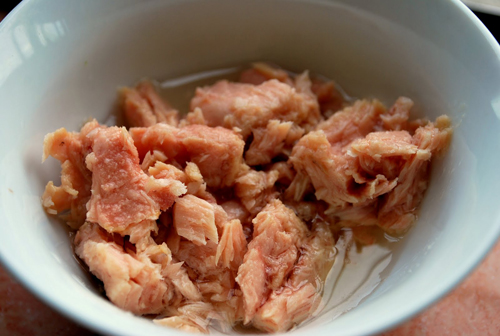
You may not consider canned tuna to be a healthy food choice but actually light tuna packed in water is a great source of omega-3 fatty acids which help increase HDL cholesterol, lower high blood pressure and reduce risk of heart disease. To get the most of your canned tuna, pick water-packed over oil-packed tuna. Since the oil tends to mix with some of the tuna’s natural fat, you will lose some Omega-3 fatty acids when you drain it but since water doesn’t mix with oil, there’s no danger of losing any of its goodness.

44. Canned Salmon


Calories per serving: 118

I love salmon! It’s just one of those things that even non fish lovers seem to enjoy. Rich in omega-3 fatty acids, B-12, B6, magnesium, protein and Vitamin D, salmon is a magical fish. Canned salmon is quick, just as nutritious and great for sandwiches, salads and my favorite,salmon bisque. Apparently fish-eaters tend to be happier and more pleasant than people who don’t eat fish. Interesting…

Snacks:

45. Light Popcorn


Calories per serving: 120

Believe it or not, popcorn can actually be a nutritious, filling snack if you choose plain, lightly salted (better with no salt) popcorn over sinful varieties like caramel, butter and cheese popcorn. It is high in protein and fiber, low in calories and is also a good source of whole grains, which are believed to help reduce the risks for heart disease and type 2 diabetes. I know what I’m eating the next time I watch a movie.

46. Graham Crackers


Calories per serving: 100

As much as I love cookies (Mmm chocolate chip), I know that they aren’t exactly the healthiest snack option out there. Instead of cookies and other sugary biscuits, we would recommend the good old Graham cracker. But beware, not every graham cracker is a good graham cracker. The key is to choose one made with whole wheat flour, not white flour and stay away from ones with high fructose corn syrup or large amounts of sugar. Also, it’s best to buy these from a health food store or natural food market and despite everything, eat these only in moderation.

47. Nuts


Calories per serving: 150-200

These little things while high in calories and fat are also a powerhouse of nutrition. They are rich in monounsaturated fat, vitamin E, folic acid, magnesium, copper, protein, and fiber, and antioxidant phytochemicals. As always, moderation is key. One fantastic way to avoid over-eating is by putting a handful (about 1 ounce) in little bags and eating only the contents of one bag when it’s snack time. While the choices are endless, my personal favorites are peanuts, cashews, walnuts, pistachios, hazelnuts and Macadamia nuts.

48. Seeds


Calories per serving: 37-60

Believe it or not, seeds are as nutritious as nuts when it comes to healthy snacks. They are high in fiber, vitamin E and monounsaturated fats that can help keep our heart healthy and our body disease free. Seeds are also great sources of protein, minerals, zinc and other nutrients. They are best eaten in the raw state although roasted seeds are acceptable as well. The healthiest seeds to add to your grocery list would be hemp, sunflower, sesame, pumpkin and flax seeds (my mom’s favorite). They do take some getting used to but believe me, once you start to enjoy their taste, you will not be able to stop.

49. Trail Mix


Calories per serving: 150-300

Trail mix is probably the best snack for when you’re on the go and to avoid unhealthy ingredients and to make it pocket friendly, I suggest DIY trail mix. Some nuts, seeds, dried fruits, dark chocolate chunks and anything else you please (as long as it’s healthy) make for the perfect, homemade, healthy trail mix.

50. Applesauce


Calories per serving: 100

Personally, I’d rather eat an apple than applesauce but for those who prefer the sauce, here’s good news. Applesauce contains as much fiber and vitamin C as an apple and has zero fat and is low in calories as long as you pick the unsweetened varieties or make your own. While it’s delicious just by itself, you can also use it as a topping for yogurt, eat with graham crackers or even add it to your morning oatmeal. Mmm!

51. Canned Fruits, Packed in Water


Calories per serving: 80

Let me tell you right away that there’s nothing like fresh fruit but if you’re craving something that isn’t available either because of the season or location or if you’d prefer something with a longer shelf life, canned fruit will work too. Just remember to opt for fruits packed in water instead of syrup or juice which obviously add a lot of unwanted calories.

52. Vegetable Chips, Baked


Calories per serving: 150

Potato chips are probably the most eaten snack worldwide but we all know how unhealthy packaged, processed potato chips are. Baked vegetable chips are a fantastic alternative to these fatty snacks. You can literally find a chip for any vegetable out there and I can vouch for the carrot ones. You can also try making your own baked veggie chips if you dare. As always, these are best eaten in moderation.

53. Dried Fruits


Calories per serving: 85-100

The best thing about these tiny delicious treats are that they are so versatile! Add them to cereals, salads, homemade granola or trail mix or even rice for that element of surprise sweetness. They are rich in vitamins, calcium, iron, phosphorous and fiber and make an extremely convenient snack to carry around.

54. Pretzels


Calories per serving: 110

Another healthy alternative to potato chips are pretzels. Tasty, low in calories, high in fiber with only one gram of fat per serving and a dieter’s friend if you pick the right kind. Our recommendation would be a whole wheat brand as that is by far the most nutritious.

55. Granola Bars


Calories per serving:100-200

Granola bars, although delicious can be really tricky. While they’re filled with whole oats, nuts, seeds and bits of dried fruit, a lot of commercially available granola bars are dipped in sugary syrups, highly processed or loaded with artificial ingredients and aren’t much better than high-calorie candy bars. Ideally, pick bars with 4 or more grams of fiber, less than 150 calories per serving and no more than 6 grams of added sugars. I know reading labels sounds like a bit of work but it is definitely worth it!